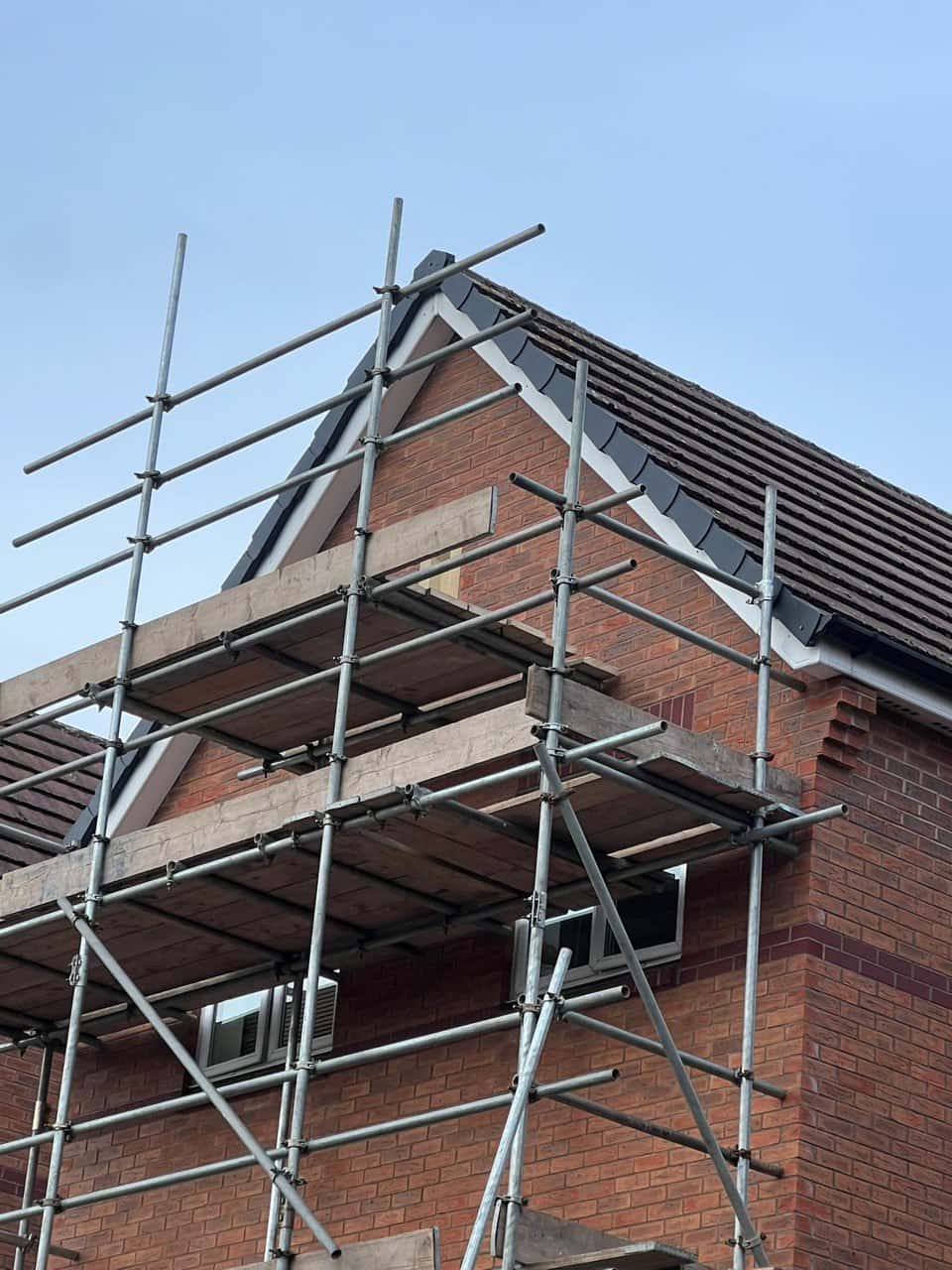
Your roof is one of the most important parts of your property, protecting the building from rain, wind and changing weather conditions. However, roofing problems can develop gradually and may not always be obvious from ground level.
Knowing the warning signs of roof damage can help homeowners in Lee-on-the-Solent, Hampshire identify problems before they become more difficult to manage. From missing tiles to damp patches indoors, small changes can provide useful indications that a professional inspection may be needed.
Check for Missing, Slipped or Damaged Roof Tiles
One of the clearest signs that a roof may need attention is a missing, cracked or slipped tile. Damaged tiles can create gaps in the roof covering, allowing rainwater to reach the layers beneath.
After periods of strong weather, it is worth checking the roof from a safe position for visible changes. Do not climb onto the roof yourself, as this can be dangerous and may cause further damage.
If you notice a tile that has moved or appears broken, professional assessment can establish whether it needs to be repositioned, secured or replaced.
Look for Water Stains and Damp Patches
Water marks on ceilings or walls can indicate that moisture is entering through the roof. Brown or discoloured patches, particularly around the upper parts of rooms, should not be ignored.
However, the visible stain is not necessarily directly below the point where water enters. Water can travel along roofing materials and timbers before becoming visible inside the property.
A professional roofer can investigate the likely source rather than simply treating the visible mark.
Check Your Loft for Signs of Moisture
The loft can provide useful clues about the condition of a roof. Damp insulation, water staining, mould growth or visibly wet timber may indicate moisture penetration.
Checking the loft after heavy rain can sometimes reveal signs that are not immediately visible from outside. Condensation can also cause moisture in loft spaces, so professional assessment is useful when the cause is uncertain.
Identifying the source early can help prevent continued moisture from affecting the roof structure or interior of the property.
Watch for Damaged Roof Flashing
Flashing is used around areas such as chimneys, roof junctions and other points where water could otherwise enter. If flashing becomes cracked, loose or deteriorated, these areas can become vulnerable to water ingress.
Visible gaps, lifted sections or signs of deterioration around flashing should be assessed by a professional. Repairs may involve securing, replacing or renewing the affected section depending on its condition.
Check for Sagging Areas
A roof should have a consistent and stable appearance. A noticeable dip, sag or change in the roofline can indicate an underlying structural or moisture-related problem.
Sagging should be treated as a reason for professional inspection rather than something to monitor indefinitely. The cause may involve damaged timbers, prolonged moisture exposure or other issues within the roof structure.
Look for Excessive Moss or Organic Growth
Some moss growth on a roof is not necessarily evidence of damage. However, extensive growth can retain moisture and may make it harder to identify the condition of tiles and other roofing components.
If moss is accompanied by damaged tiles, blocked drainage channels or deteriorating roofing materials, an inspection can help determine whether maintenance or repairs are appropriate.
Pay Attention to Blocked or Damaged Gutters
Roofing problems do not always begin directly on the roof. Gutters and other drainage components play an important role in directing rainwater away from the building.
Blocked, damaged or overflowing gutters can cause water to run against roof edges, walls and other parts of the property. Regularly checking drainage systems and dealing with visible problems can help reduce the risk of moisture-related issues.
Notice Changes After Severe Weather
Strong winds and heavy rainfall can expose existing weaknesses in a roof. After severe weather, look for obvious signs such as displaced tiles, damaged flashing, blocked gutters or water entering the property.
If you notice anything unusual, arranging a professional inspection can help determine whether repairs are necessary before further weather causes additional deterioration.
When Should You Arrange a Roof Inspection?
A professional inspection is worth considering if you notice persistent leaks, damaged or missing tiles, damp patches, sagging, deteriorating flashing or repeated roofing problems.
It can also be useful when a roof has developed visible changes but the cause is not clear. A roofer can assess the affected areas and determine whether a straightforward repair or more extensive work is required.
At Lee-on-the-Solent Roofing Repairs, we provide professional roofing repair services for properties in Lee-on-the-Solent, Hampshire. We assess roofing issues carefully and focus on identifying practical repair solutions suited to the condition of the roof.
Conclusion
Roof problems can often be easier to manage when they are identified early. Missing tiles, water stains, loft moisture, damaged flashing, sagging and drainage problems are all warning signs that should be investigated rather than ignored.
If you have noticed signs that your roof may need attention in Lee-on-the-Solent, Hampshire, Lee-on-the-Solent Roofing Repairs can assess the condition of your roof and advise on suitable repairs. Contact us to arrange a professional roof inspection.
Call us on: 023 8235 7298
Click here to find out more about Lee-on-the-Solent Roofing Repairs
Click here to complete our contact form and see how we can help with your roofing needs.