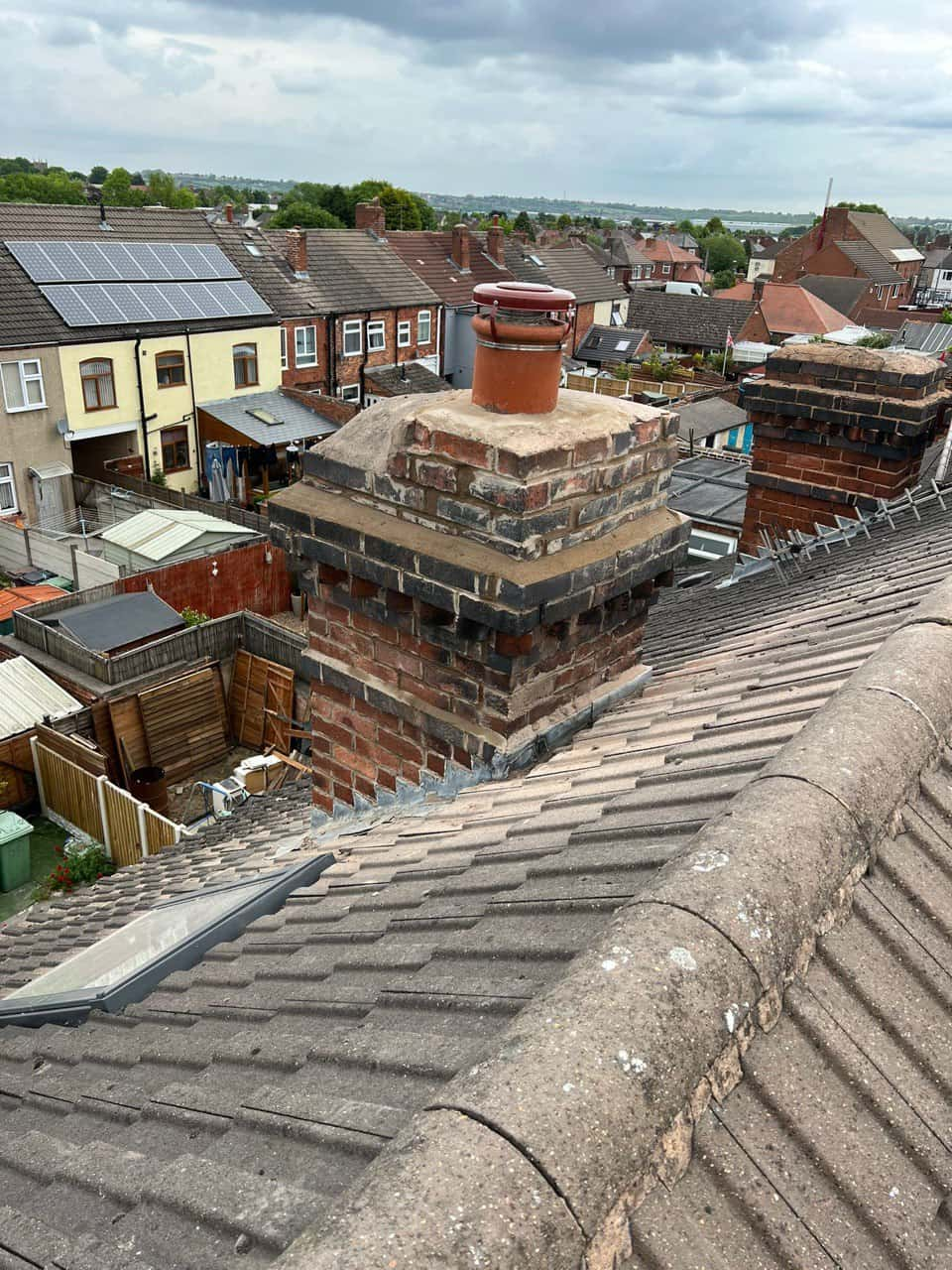
Felt roofing is a popular choice for flat roofs on garages, extensions, sheds and other parts of residential properties. When properly installed and maintained, it provides a protective barrier against rain and helps keep the underlying roof structure dry. However, regular exposure to moisture, sunlight, temperature changes and wind can gradually affect the condition of roofing felt.
For homeowners in Lee-on-the-Solent, Hampshire, routine flat roof maintenance can help identify early signs of deterioration before they develop into more serious problems. Understanding how to care for a felt roof, what warning signs to look for and when to arrange professional repairs can help extend its useful life.
Why Regular Felt Roof Maintenance Matters
Flat roofs can experience prolonged water exposure, particularly when drainage is restricted or the roof surface has developed uneven areas. Over time, this can place additional stress on the felt covering, seams and edges.
Regular maintenance helps identify defects such as small splits, loose joints and damaged flashing before water penetrates the roof structure. Early attention can also help distinguish minor, localised problems from more extensive deterioration that may require a broader repair.
Practical Ways to Maintain a Felt Flat Roof
1. Keep Roof Drainage Clear
Effective drainage is essential for maintaining a felt roof. Leaves, moss and other debris can obstruct outlets and gutters, preventing rainwater from draining away efficiently.
Where access is safe, check that drainage points remain clear and that water can flow away from the roof. Persistent pooling should not be ignored, particularly if the water remains long after rainfall. Standing water may indicate blocked drainage, an uneven roof surface or another underlying issue that needs professional assessment.
Avoid walking on the roof unless it has been confirmed safe to access, as some flat roof coverings can be damaged by unnecessary foot traffic.
2. Check for Cracks, Blisters and Splits
Changes to the felt surface can provide early warning of deterioration. Look for visible cracks, raised blisters, splits or areas where the material appears to be lifting.
Blisters may develop when air or moisture becomes trapped beneath the covering. Although not every blister requires immediate replacement, cutting or puncturing it without understanding the cause can make the problem worse.
If you notice damaged felt, arrange an inspection so the defect can be assessed and repaired appropriately.
3. Inspect Roof Edges and Joints
The edges of a felt roof and the joints between different sections can be vulnerable to weather exposure. If the felt begins to lift, rainwater may enter beneath the covering and affect the materials underneath.
Check for visible separation, loose edges or deteriorating joints from a safe position. Roof junctions around walls, upstands and other features should also be inspected periodically, as these areas can be particularly susceptible to water ingress.
Professional repairs can restore defective joints and help prevent moisture from spreading into the roof structure.
4. Look for Signs of Water Ingress Indoors
Not all felt roof defects are visible from outside. Damp patches on ceilings, water staining, peeling paint or a musty smell in a room beneath a flat roof may indicate moisture penetration.
These symptoms do not always mean the felt itself has failed. Water may be entering through a joint, flashing detail or drainage defect, so identifying the source is important before carrying out repairs.
If dampness returns after the affected area has dried, arrange a professional assessment rather than simply treating the internal marks.
5. Arrange Checks After Severe Weather
Strong winds and heavy rainfall can expose weaknesses in a flat roof. Wind may lift vulnerable edges, while heavy rain can reveal drainage problems or existing splits in the felt.
After severe weather, look for visible changes from ground level, such as displaced materials, new damp patches or water collecting around the roof. Do not climb onto a wet or damaged roof to investigate. A roofing professional can inspect areas that are difficult or unsafe to reach.
6. Avoid Unnecessary Foot Traffic
Repeated walking on felt roofing can place pressure on the surface and contribute to wear, particularly where the covering has become brittle or weakened with age.
Only access a flat roof when necessary and when it is safe to do so. Maintenance tasks that involve working at height should be handled by someone with the appropriate equipment and experience.
When Should You Arrange Professional Felt Roof Repairs?
Routine checks can help identify visible concerns, but professional attention is advisable when you notice recurring leaks, widespread cracking, lifting felt, persistent ponding or signs that the roof covering has become brittle.
A roofer can assess the condition of the felt, examine vulnerable joints and flashing, and check whether drainage or underlying materials are contributing to the problem. Depending on the findings, localised repairs may be suitable. Where deterioration is extensive, more substantial remedial work may be necessary.
Addressing the underlying cause is essential. Simply covering a damaged section without investigating the source of the problem may allow water ingress to continue.
Felt Roof Maintenance in Lee-on-the-Solent, Hampshire
For property owners in Lee-on-the-Solent, Hampshire, maintaining a felt flat roof means paying attention to drainage, roof edges, joints and any signs of moisture inside the building. Regular checks can help you spot changes early, while professional inspections provide a clearer understanding of the roof’s overall condition.
Lee-on-the-Solent Roofing Repairs can help assess felt roofing concerns and identify suitable repair work when defects develop. If your flat roof is showing signs of wear or you have noticed a recurring leak, arranging an assessment can help you determine the next steps.
Conclusion
Keeping a felt flat roof in good condition involves clearing drainage points, watching for surface damage, checking vulnerable joints and investigating signs of water ingress. These practical measures can help identify problems early, but damaged felt and recurring leaks should be assessed professionally to prevent further deterioration.
If you are concerned about your felt flat roof, contact Lee-on-the-Solent Roofing Repairs to discuss your roofing issue and arrange professional assistance in Lee-on-the-Solent, Hampshire.
Call us on: 023 8235 7298
Click here to find out more about Lee-on-the-Solent Roofing Repairs
Click here to complete our contact form and see how we can help with your roofing needs.