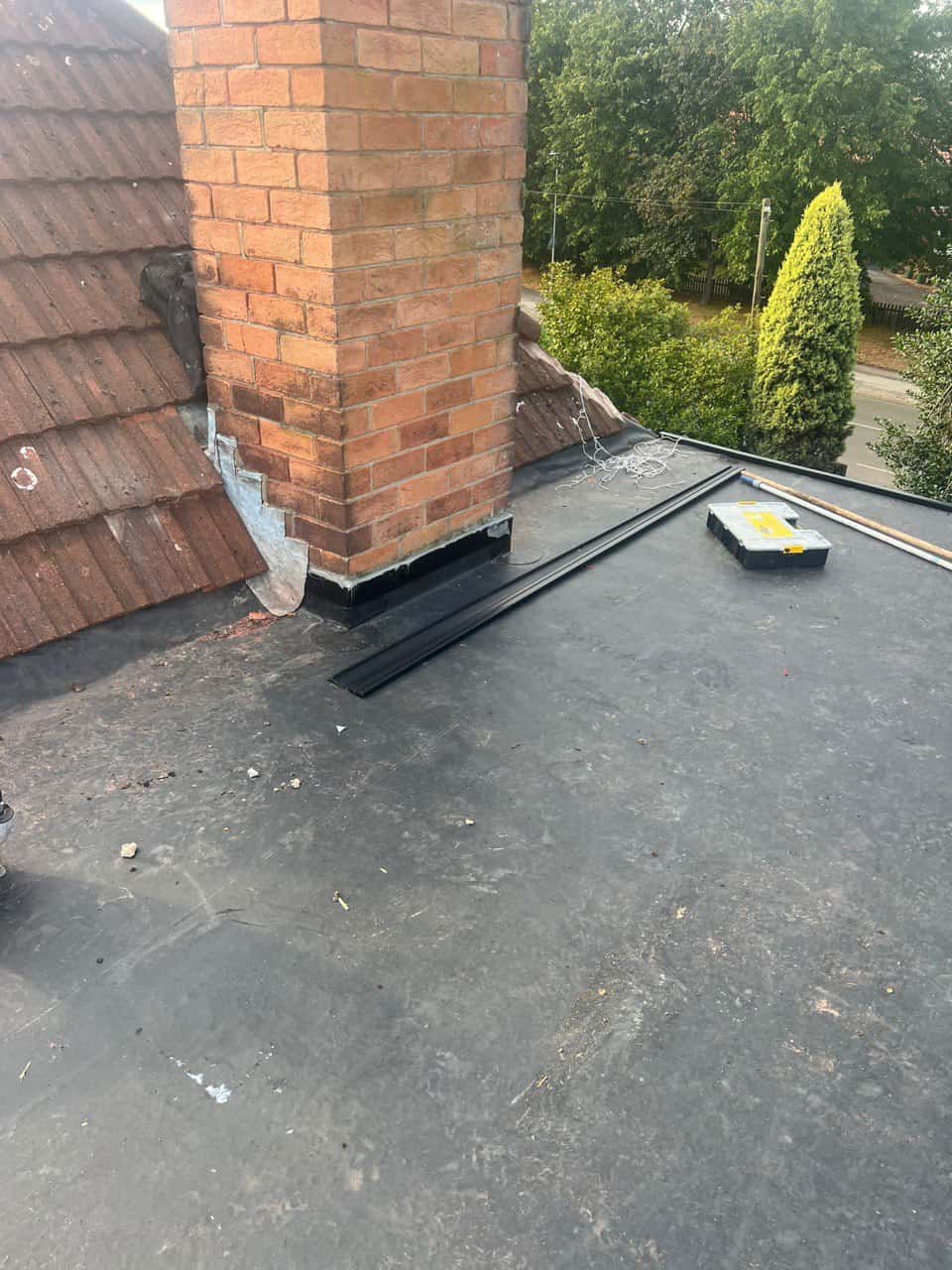
Discovering a serious roof problem can make replacement seem like the obvious next step. A substantial leak, extensive damage to one section or a significant failure around a roof detail can understandably raise concerns about whether the entire roofing system remains dependable. However, one serious defect does not automatically mean that complete roof replacement is necessary.
For property owners in Lee-on-the-Solent, Hampshire, the most appropriate decision should be based on the cause and extent of the problem, together with the condition of the rest of the roof. A thorough assessment can establish whether the damage is genuinely isolated or whether it has exposed wider deterioration that needs a more comprehensive solution.
When Can One Serious Roof Problem Point Towards Replacement?
A single serious problem becomes more significant when it reveals weaknesses beyond the immediately affected area. What appears externally to be one major defect may sometimes involve the roof covering, underlay, battens or supporting components beneath it.
Replacement may deserve consideration when an assessment finds widespread deterioration surrounding the original problem, significant failure across several roofing components or evidence that the roof is no longer performing reliably as a complete system.
The decision should therefore be based on what the serious defect reveals about the wider roof rather than simply how dramatic the initial damage appears.
Serious Damage Can Still Be Localised
The severity of a problem and the extent of a problem are not necessarily the same thing.
A substantial defect can sometimes remain confined to one particular area. For example, significant damage around a valley, flashing detail or roof junction may require considerable repair work without affecting the main roof covering elsewhere.
If surrounding materials remain sound and the cause can be clearly identified, repairing the affected section may restore dependable performance without disturbing parts of the roof that continue to function correctly.
The Cause of the Problem Is Crucial
Before deciding between repair and replacement, it is important to establish why the damage occurred.
An isolated failure caused by a specific localised weakness presents a different situation from damage caused by widespread deterioration. If the problem has developed because one component has failed while the surrounding roof remains serviceable, targeted work may be entirely appropriate.
If the defect is instead a consequence of broader deterioration affecting several parts of the roofing system, concentrating solely on the most visible damage may provide only a temporary answer.
Professional diagnosis is therefore essential.
The Condition of the Rest of the Roof Matters
One of the most important parts of any repair-or-replacement decision is assessing the areas that have not obviously failed.
A roof may contain one badly affected section while the remaining covering, junctions and supporting components are still in good condition. In this situation, the extent of the visible damage alone should not determine the outcome.
A broader inspection should consider the condition of tiles or slates, ridges, hips, valleys, flashing, roof junctions and previous repair areas. Where accessible, underlying components can also provide useful information about the overall health of the roof.
Water Damage May Extend Beyond the Visible Defect
Serious leaks require particularly careful investigation because water can travel beyond its original entry point.
A damp ceiling or visibly damaged roof section does not always show the full route of water penetration. Moisture may move along underlay, battens or structural components before becoming noticeable elsewhere.
Establishing how far water has travelled helps determine the true extent of the problem. Localised moisture damage may be repairable, whereas deterioration affecting a much wider section may require a broader approach.
A Major Leak Does Not Automatically Mean Replacement
A severe leak can be disruptive, but the amount of water entering a property does not necessarily indicate the condition of the entire roof.
A relatively concentrated defect in flashing, a valley or another vulnerable detail can sometimes allow substantial water ingress while the surrounding roof remains serviceable.
The priority should be to identify exactly where water is entering and why. Once the source and affected area have been established, an informed decision can be made about the appropriate extent of repair.
Previous Roof Repairs Can Provide Useful Information
The repair history of a roof can help provide context when a serious new problem develops.
If previous repairs remain sound and the latest defect is unrelated, the roof may still be suitable for further targeted work. If numerous areas have required repeated attention and a major new problem has now appeared, it may be sensible to assess whether deterioration is becoming more widespread.
Previous repairs should therefore be considered as part of the overall condition assessment rather than being viewed automatically as evidence that replacement is necessary.
Can a Section of the Roof Be Repaired Instead?
Where serious damage remains clearly defined, repairing a larger localised section can sometimes provide an appropriate alternative to complete replacement.
This approach may involve more than correcting one visible defect. Damaged materials can be removed, underlying components inspected and affected sections restored before the roof covering is reinstated correctly.
The suitability of this approach depends on whether the repaired section can integrate securely with the surrounding roof. If neighbouring materials remain dependable, a well-planned sectional repair can provide an effective solution.
When Does Repair Become Too Limited?
Repair becomes less suitable when it would address only a small part of a much broader problem.
If surrounding materials are heavily deteriorated, multiple components are failing or significant weaknesses are present across the roof, continually treating individual defects may no longer restore consistent performance.
A serious problem can sometimes be the event that exposes this wider condition. In such cases, it is not the single defect itself that justifies more extensive work; it is the deterioration discovered during the assessment.
Replacement Should Be Based on Evidence
A decision as significant as roof replacement should follow a careful assessment rather than an assumption based on one visible problem.
The inspection should establish which materials remain serviceable, where deterioration is concentrated and whether repairs can provide a reliable result. This creates a clear distinction between a roof with one serious but repairable problem and a roofing system showing more general deterioration.
At Lee-on-the-Solent Roofing Repairs, we focus on understanding the source and extent of roofing problems before recommending suitable work. This allows the condition of the entire roof to inform the decision rather than relying solely on the appearance of the most obvious defect.
Why Accurate Roof Assessment Is So Important
Roofing problems are not always straightforward from ground level or from what can be seen inside the property.
The visible symptom may represent only part of the issue, while other apparently concerning areas may still be perfectly serviceable. A professional assessment helps separate these factors and provides a clearer understanding of what actually requires attention.
This is particularly valuable when deciding whether a serious defect can be repaired effectively or whether the condition of the wider roof makes more comprehensive work appropriate.
Conclusion
One serious roof problem is not automatically enough to justify replacing the entire roof. A substantial defect may remain localised and be suitable for a carefully planned repair, particularly when the surrounding roof is still in good condition.
The situation changes when investigation reveals widespread deterioration, multiple failing components or damage extending considerably beyond the original problem. In these circumstances, more extensive work may provide a more appropriate solution.
If you have discovered a significant roofing problem at your property in Lee-on-the-Solent, Hampshire, contact Lee-on-the-Solent Roofing Repairs. We can assess the extent and cause of the damage, examine the wider condition of your roof and recommend an appropriate course of action based on what the roof genuinely requires.
Call us on: 023 8235 7298
Click here to find out more about Lee-on-the-Solent Roofing Repairs
Click here to complete our contact form and see how we can help with your roofing needs.