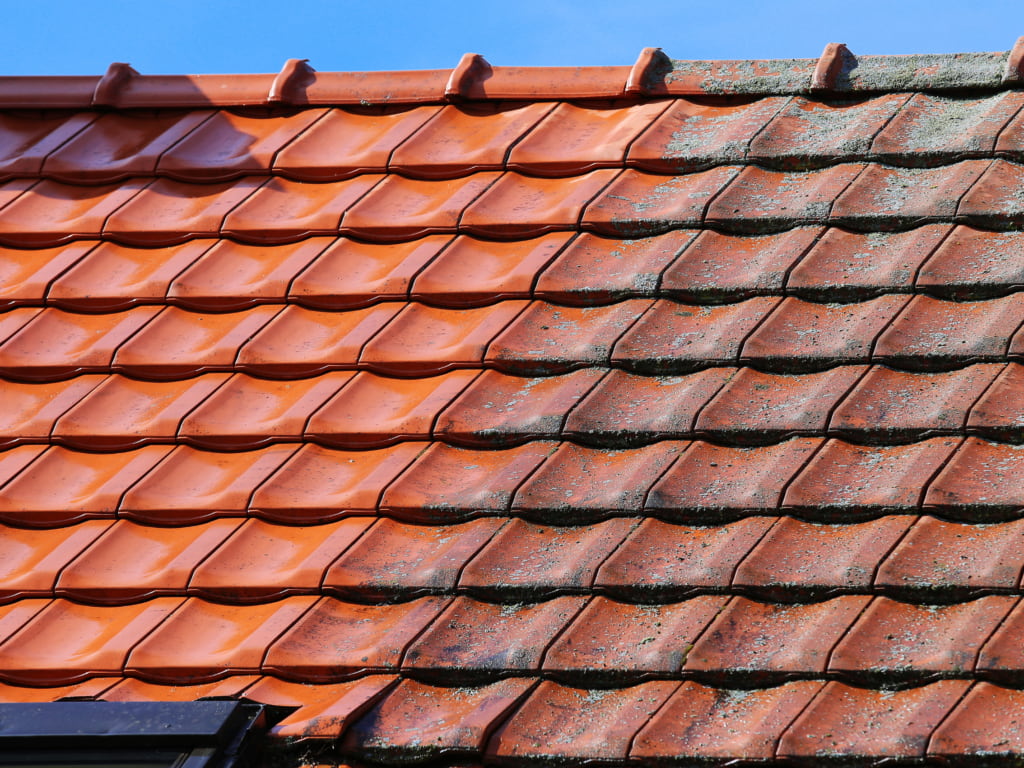
Roofing problems can develop gradually, but some defects need attention as soon as they are noticed. What may begin as a small leak, a loose tile or a damaged section of flashing can quickly become more serious if rainwater enters the roof structure or further deterioration occurs.
For homeowners in Lee-on-the-Solent, Hampshire, recognising which roofing issues require prompt attention can help protect the property and prevent avoidable damage. Lee-on-the-Solent Roofing Repairs provides professional roofing services to identify faults, assess their severity and carry out suitable repairs before minor defects become more disruptive.
Roofing Problems That Require Prompt Attention
Active Roof Leaks and Water Ingress
A roof leak should never be ignored, even if only a small damp patch is visible on an internal ceiling. Water can travel along roof timbers and other materials before appearing inside the property, meaning the visible mark may not be directly below the source of the leak.
Look out for brown ceiling stains, peeling paint, damp walls and dripping water in the loft. Persistent moisture can damage insulation, timber and internal finishes, while prolonged damp conditions may encourage mould growth.
A professional inspection can help locate the entry point and establish whether the problem involves damaged tiles, defective flashing, a failed roof membrane or another vulnerable area.
Slipped, Missing or Broken Roof Tiles
Roof tiles provide an important protective covering against rain and wind. When tiles become cracked, displaced or missing, the layers beneath them may be exposed to the weather.
Even one missing tile can create an opportunity for water to enter, particularly during periods of heavy rainfall. Loose tiles may also become more unstable during strong winds.
Any visible gaps or damaged sections should be assessed promptly. Replacing or securing affected tiles helps restore the protective covering and reduces the risk of further deterioration.
Damaged Lead Flashing
Lead flashing is commonly installed around chimneys, roof valleys, walls and other junctions where water could otherwise penetrate the roof. If flashing becomes cracked, lifted or detached, these connections can become vulnerable to leaks.
The problem may not always be obvious from ground level. Signs of failure can include damp patches near chimney breasts, water staining around roof junctions or deteriorating mortar where flashing meets masonry.
Leaving defective flashing untreated can allow repeated water ingress. A roofing professional can inspect the affected areas and determine whether the flashing needs repairing or replacing.
Blocked or Damaged Gutters
Gutters and downpipes help direct rainwater away from the roof and building. When they become blocked with leaves, moss or other debris, water may overflow and collect against fascias, soffits and external walls.
Persistent overflow can contribute to damp problems and damage surrounding roof components. Cracked joints, loose brackets and poorly aligned guttering can create similar issues.
Guttering should be checked whenever there are signs of overflowing water, visible leaks or sections pulling away from the building. Keeping the drainage system in good condition helps protect the roof edges and external walls.
Deteriorating Chimney Mortar
Chimney mortar joints are continually exposed to changing weather conditions. Over time, the mortar can crack, crumble or recede, allowing moisture to enter the masonry.
As the deterioration progresses, bricks may become loose and the stability of the chimney stack can be affected. Water penetration can also damage nearby roof areas, particularly around the flashing.
If mortar is visibly breaking away or gaps are developing between bricks, the chimney should be professionally assessed. Repointing or other masonry repairs may be needed to restore its condition.
Sagging Roof Sections
A roof that appears uneven or begins to sag should never be treated as a purely cosmetic issue. Changes in the roofline can indicate problems with supporting timbers, prolonged moisture damage or movement within the structure.
A sagging area may suggest that parts of the roof are no longer providing adequate support. This requires prompt professional assessment to establish the cause and determine the necessary work.
Avoid accessing or placing additional weight on a roof showing signs of structural weakness.
Storm Damage and Exposed Roofing Materials
Strong winds and severe weather can dislodge tiles, damage ridge sections, lift roof coverings and expose vulnerable areas. Some damage may be immediately visible, while other defects can remain unnoticed until water begins entering the property.
After a storm, look for missing tiles, fallen roofing materials, damaged flashing and debris around the roof. Any suspected damage should be inspected promptly, particularly if the roof has developed an opening or is allowing water inside.
Why Prompt Professional Repairs Matter
Roofing components work together to protect the property. A defect in one area can affect surrounding materials, allowing moisture to spread and increasing the extent of the damage.
Lee-on-the-Solent Roofing Repairs can assess roofing problems in Lee-on-the-Solent, Hampshire, identify the likely cause and recommend appropriate repairs. Addressing the underlying issue rather than simply covering visible damage helps support a more reliable result.
Homeowners should avoid climbing onto the roof to investigate problems themselves. A professional inspection is the safer way to establish the condition of the affected areas.
Conclusion
Active leaks, missing tiles, damaged flashing, blocked gutters, deteriorating chimney mortar and signs of structural movement should never be left unattended. Early attention can help prevent further water ingress, protect the roof structure and reduce the risk of more extensive deterioration.
If you have noticed any of these warning signs, contact Lee-on-the-Solent Roofing Repairs to discuss your requirements and arrange a professional roofing assessment in Lee-on-the-Solent, Hampshire.
Call us on: 023 8235 7298
Click here to find out more about Lee-on-the-Solent Roofing Repairs
Click here to complete our contact form and see how we can help with your roofing needs.