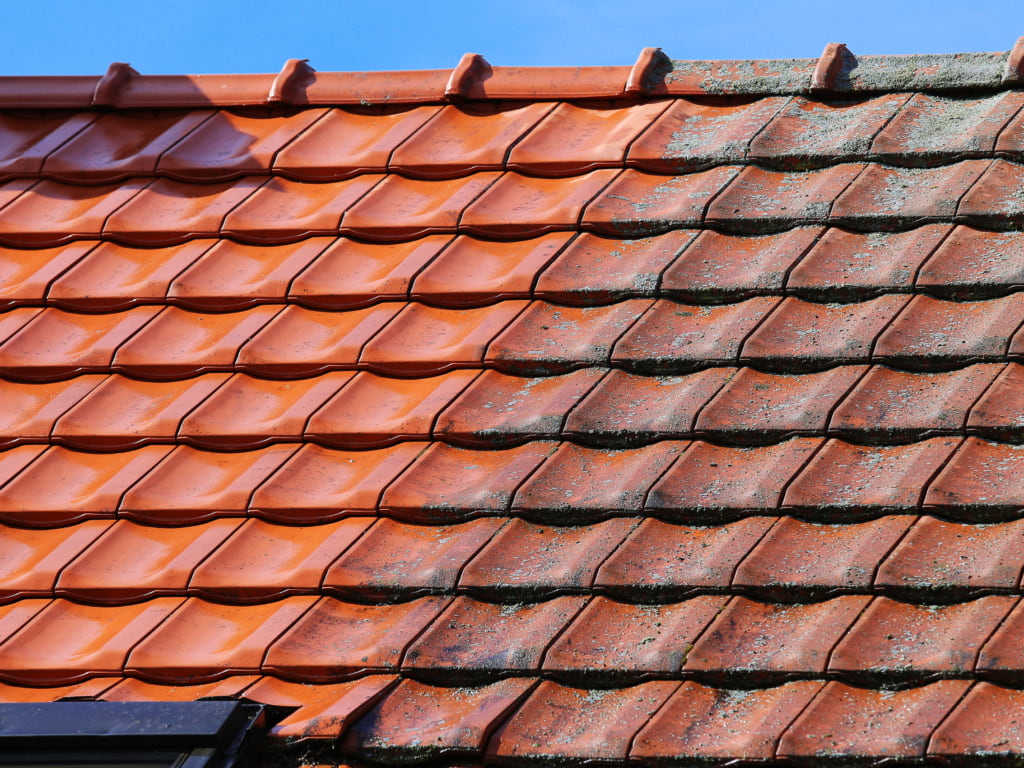
Roof tiles are designed to provide long-lasting protection against the elements, but seasonal weather changes can place considerable stress on roofing systems over time. In Lee-on-the-Solent, Hampshire, roofs are regularly exposed to changing temperatures, strong coastal winds, heavy rainfall, and frost throughout the year. These environmental changes can gradually lead to roof tile displacement if the roofing system is ageing or vulnerable.
At Lee-on-the-Solent Roofing Repairs, we provide professional roofing inspections and repair services designed to identify roofing issues early and help homeowners maintain secure, weather-resistant roofs throughout every season.
What Is Roof Tile Displacement?
Roof tile displacement occurs when tiles shift, loosen, crack, or move out of their correct position on the roof. In some cases, tiles may partially slip, while in more severe situations they may fall away completely.
Displaced roof tiles can leave the roof vulnerable to:
- Water penetration
- Wind damage
- Dampness within the loft space
- Structural deterioration over time
Prompt attention is important to prevent minor tile movement from developing into larger roofing problems.
Temperature Changes Cause Expansion and Contraction
One of the main causes of seasonal roof tile movement is the natural expansion and contraction of roofing materials. During warmer periods, roofing components expand slightly, while colder temperatures cause them to contract again.
Over time, this repeated movement can affect:
- Tile fixings and fasteners
- Mortar around ridge tiles
- Flashing and roof joints
Gradual weakening may eventually allow tiles to loosen or shift position.
Strong Winds Can Loosen Tiles
Seasonal storms and high coastal winds in Lee-on-the-Solent, Hampshire place additional strain on roofing systems. Wind pressure can gradually work beneath loose or ageing tiles, lifting them slightly and weakening their attachment over time.
This may lead to:
- Slipped roof tiles
- Cracked or broken tiles
- Missing sections of roof covering
Roofs exposed to repeated strong winds often require more regular inspections and maintenance.
Heavy Rainfall Can Weaken Roofing Materials
Prolonged periods of rain can also contribute to roof tile displacement. Moisture may gradually affect mortar joints, underlay materials, and older roof fixings.
Persistent exposure to wet conditions can cause:
- Deterioration of ridge mortar
- Weakening of tile fixings
- Increased movement in vulnerable roof sections
Once materials begin to weaken, tiles become more likely to shift during future weather changes.
Frost and Ice Can Damage Roof Tiles
During colder months, water trapped in small cracks or gaps within roofing materials may freeze and expand. This freeze-thaw cycle can gradually increase damage to tiles and surrounding roofing components.
Frost-related roofing problems may include:
- Cracked roof tiles
- Loose mortar joints
- Small fractures becoming larger over time
Seasonal freezing conditions can accelerate roof deterioration if maintenance is neglected.
Ageing Roofs Are More Vulnerable
Older roofs naturally become more susceptible to tile displacement as materials weaken with age. Years of weather exposure can reduce the effectiveness of fixings, mortar, and waterproofing systems.
Common signs of ageing roof vulnerability include:
- Loose or uneven tiles
- Crumbling ridge mortar
- Frequent tile repairs
- Visible roof wear after storms
Routine inspections help identify ageing issues before major displacement occurs.
Poor Installation Can Contribute to Movement
In some cases, roof tile displacement occurs because of poor workmanship or incorrect installation methods. Improperly secured tiles may become unstable far sooner than professionally installed roofing systems.
Professional roofing installation helps ensure:
- Tiles are securely fixed in place
- Roof structures can cope with weather-related movement
- Roofing materials perform reliably over the long term
High-quality workmanship is essential for long-lasting roof stability.
Moss and Debris Can Increase Roofing Problems
Moss growth and debris accumulation may also contribute to roof tile movement. Excess moss can trap moisture against the roof surface and place additional pressure on tiles and mortar.
This may lead to:
- Increased moisture retention
- Gradual loosening of tiles
- Reduced drainage performance
Keeping the roof clean and properly maintained helps reduce these risks.
Why Prompt Repairs Matter
Even a single displaced tile can expose the roof structure to rainwater and moisture penetration. Delaying repairs may allow water to enter beneath the roofing system and affect surrounding areas.
Early repairs help prevent:
- Roof leaks and dampness
- Damage to loft insulation and timbers
- Wider structural deterioration
Professional inspections after severe weather are particularly important for identifying hidden damage.
Why Choose Lee-on-the-Solent Roofing Repairs?
At Lee-on-the-Solent Roofing Repairs, we provide:
- Professional roof inspections and tile repairs
- Ridge tile and flashing maintenance
- Storm damage assessments and roofing repairs
- Reliable roofing services throughout Lee-on-the-Solent, Hampshire
Our aim is to help homeowners maintain secure, weather-resistant roofs with professional workmanship and dependable roofing expertise.
Conclusion
Seasonal weather changes can cause roof tile displacement through expansion and contraction, strong winds, heavy rainfall, frost damage, and the gradual ageing of roofing materials. While tile movement may initially appear minor, it can quickly lead to leaks and structural problems if left unresolved.
For homeowners in Lee-on-the-Solent, Hampshire, regular roof maintenance and prompt professional repairs are essential for protecting the roof from seasonal weather damage. At Lee-on-the-Solent Roofing Repairs, we are committed to delivering expert roofing services designed to keep homes safe, dry, and structurally secure throughout every season.
Call us on: 023 8235 7298
Click here to find out more about Lee-on-the-Solent Roofing Repairs
Click here to complete our contact form and see how we can help with your roofing needs.